


Acid House - My Gateway Drug To The Dancefloor
The first time the dancefloor made perfect sense.
I’m going to take you back to Exeter University, 1987.
I didn’t arrive there in the usual way, slightly tentative, figuring things out as I went. I’d already made a slew of unfortunate mistakes a couple of years previously at Birmingham University, but on this, my second run at further education, I had the advantage of having a friend of mine from school already being in his second year, and he’d built this great little ecosystem around himself - a proper group of lunatics and outliers - people who were creative, social, active, and curious about everything. So instead of easing my way in, I stepped straight into something that already had a pulse.
Technically I was living in halls in my first year, but in reality I was almost never there. I’d drift between houses, parties, kitchens full of people talking about music, art, politics, whatever happened to be in the air at the time. It felt like a much bigger world than the one I’d just come from, and I grabbed it with both hands.
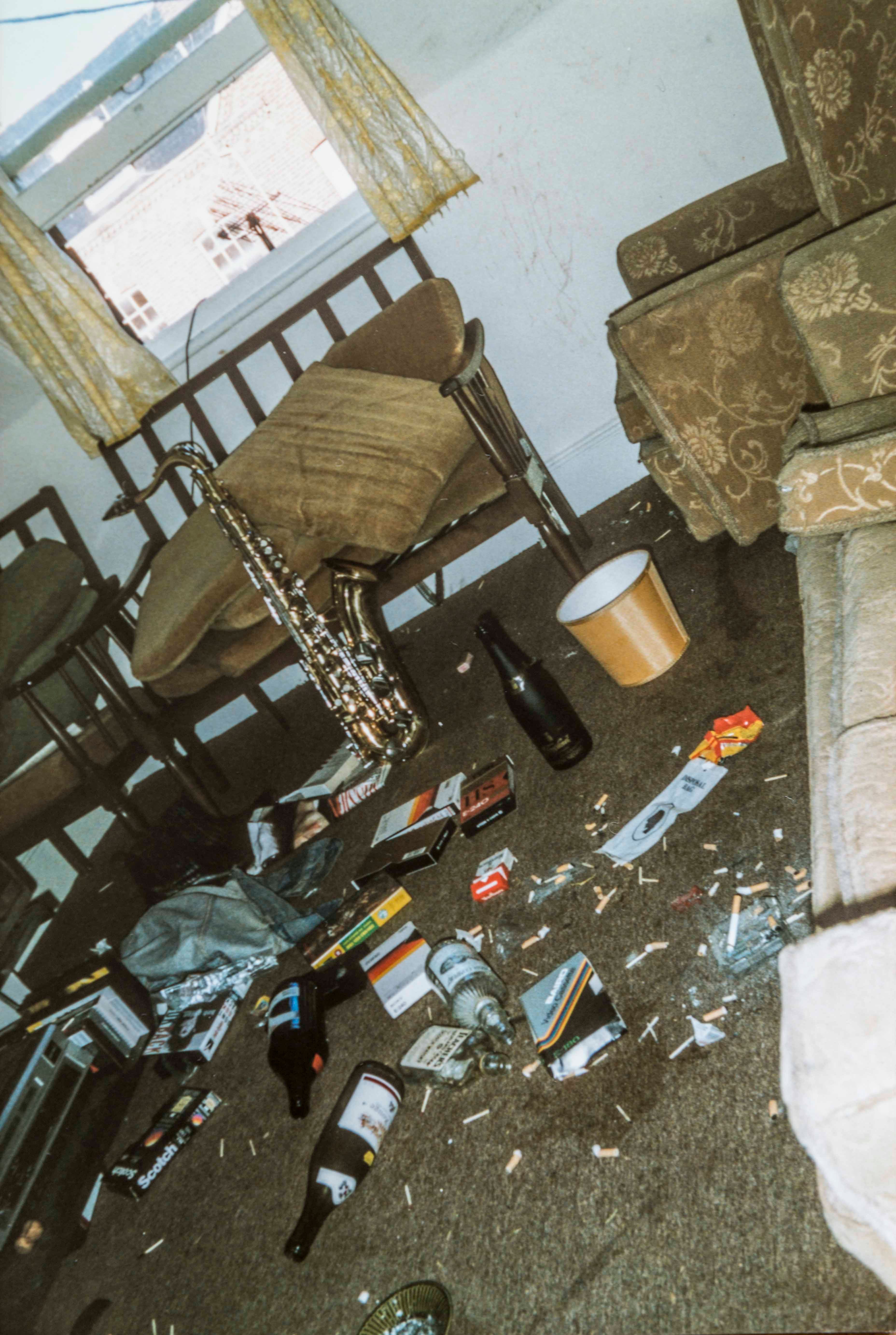
By the time my second year rolled around, a group of us moved into a house on Howell Road. It should have housed 5 people, but the greedy slumlord had converted it into housing for eleven - complete with rice paper walls and barely enough room for a single bed. Six lads, five girls, and absolutely no sense of restraint. The place was adjacent to Exeter Prison, which added this strange, almost surreal backdrop to everything. There was an alleyway between us and the prison walls where, most nights, you’d hear spectral voices drifting into the night like caterwauling car alarms long after midnight; girlfriends shouting up to their boyfriends inside, prisoners pressed up against the bars, calling back down, the metallic echo of bars being rattled for emphasis. It became part of the fabric of the place - theatrical and dense.
It was around then that I first started hearing early acid house records on John Peel’s show on Radio 1, and reading about these mysterious ‘raves’ in the music press. I’d been a big fan of Peel’s for years, and like many musical magpies I was addicted to the variety of music he bought to the table. I’d come through heavy metal as a teenager, which felt like a rebellion in itself at the uber-conservative school I was sent to, but then drifted into things that were a bit more abrasive, a bit more left of centre. By the mid-eighties I was going to see bands like Butthole Surfers and Big Black, while also getting pulled into industrial music, bits of Belgian new beat, the more extreme edges of thrash. It wasn’t carefully curated - it was confrontational, visceral and I was constantly on the lookout for music that made me feel something real.
What Peel did, which I don’t think you really get anymore (especially on a national broadcast network!), was place everything in this completely open context. His shows weren’t designed to smooth things out or make them coherent. Quite the opposite. He’d jump from something melodic and jangly into something brutally short and aggressive, then drop into an eight-minute acid track without any sense that it needed explaining. And because of that, acid house didn’t arrive framed as “club music”. It arrived as something that sat alongside punk, alongside protest, alongside anything that felt like it was pushing against the grain.
That context and alignment mattered more than I realised at the time, because if you looked at what passed for club culture back then, it was something I had absolutely no connection to. Dress codes, polished interiors, what was often called “handbag house”, all very presentable and, to my mind, completely devoid of edge or interest. It felt like a different world, and not one I had any interest in entering.
Acid house, when it started to filter through to cities like Exeter, felt like the opposite of that.
The real turning point came when I received a double compilation called House Hallucinates - Pump Up London. I’d taken on the role of music editor for the university magazine (‘The Third Degree’) by then, which suddenly meant records were turning up in the post with the expectation that I’d have something vaguely intelligent to say about them. Most of them came and went, but that one piqued my interest immediately and I gave it a five star review. Even the artwork had something about it that drew me in… slightly hypnotic, a bit disorienting, not entirely of its time.
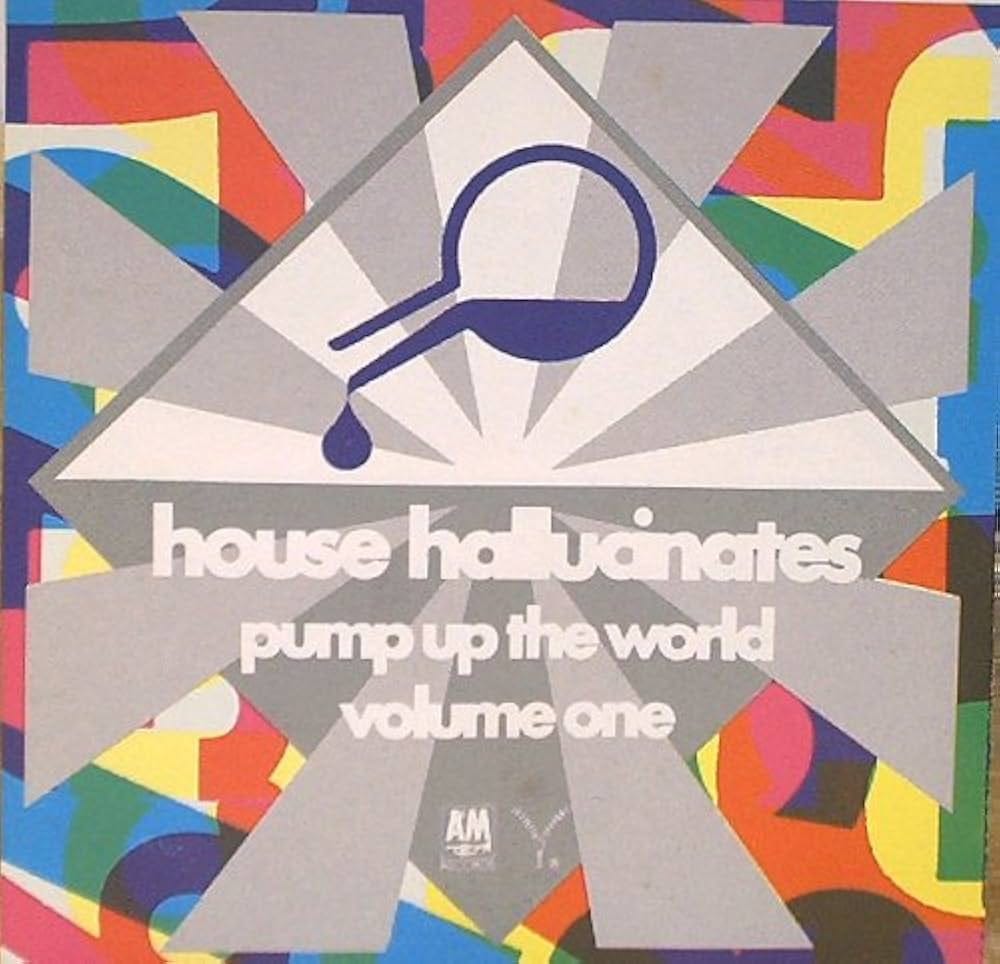
I remember putting it on without any real expectation. What struck me wasn’t complexity, or even originality in the conventional sense - it was how little was actually there. An absence in a sea of maximalism. A drum machine ticking away, a 303 line weaving in and out, the occasional fragment of a vocal. It was sparse to the point of feeling almost unfinished, and yet there was something incredibly compelling about that repetition. The longer you stayed with it, the more it seemed to open up rather than close down.
We had a party at our house one night that ended with one of our interior doors going missing, although in fairness we did enjoy a raging bonfire that night at the end of our garden. We had a turntable set up in the living room which was cranking out music until long after the sun came up through a mono guitar cabinet. Slightly worse for wear, and somewhat disoriented after chowing down on a stack of shrooms recently harvested from Dartmoor, I played the album from front to back for the fifth time and hallucinated an entire universe that somehow bloomed from the spiky, spartan, punk-like DNA of this future music.
At the same time, a cultural shift was happening beyond the records themselves.
Raves started to emerge, almost out of nowhere. Not clubs, not venues in the traditional sense, but these loosely organised gatherings in fields, warehouses, stretches of land that you’d previously driven past without a second thought. You’d find a flyer somewhere, call a number at a specific time, and then wait for directions to be revealed. Motorway service stations became these unlikely meeting points, columns of futuristic rave warriors assembling in the dark and driving blindly towards little more than a vague promise and a series of coordinates.
Sometimes you’d arrive and it would all come together perfectly. A few hundred people, a sound system that somehow worked, music spilling out into the night while the sky slowly shifted towards morning. Other times you’d be met with police roadblocks and confrontation, turned away before you’d even begun - or you’d park up miles away and end up trudging across claggy, sodden ploughed fields with a stream of people, hoping you were heading in roughly the right direction.
The more resistance there was, the more it seemed to fuel the whole movement. It stopped being just about the music and started to feel like participation in a collective ‘something’ that existed slightly well beyond the rules.
All of this was happening against a wider backdrop that already felt tense. The Thatcher government was pushing through policies that were increasingly divisive, student loans and the poll tax being a particularly stark examples, and there was a growing sense of unrest, especially among students. Protests weren’t unusual. There was already a feeling that people were looking for ways to push back, even if they weren’t entirely sure what form that would take.
Acid house quietly slipped into that moment almost perfectly.
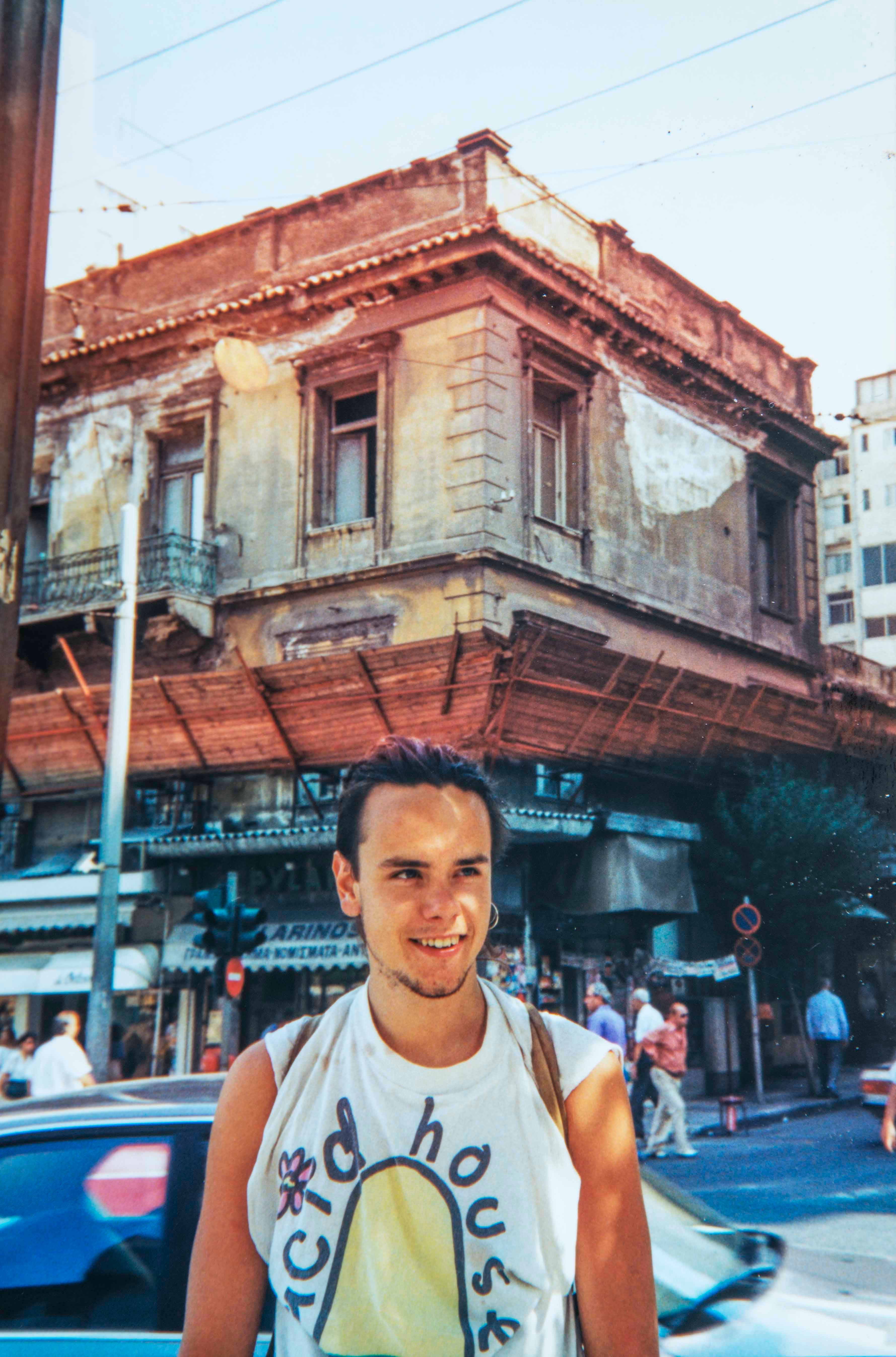
It brought together people who, under normal circumstances, would never have crossed paths. Punks, hippies, clubbers, even football hoolies who’d found something in those nights that redirected a lot of that energy into something far less confrontational. For a few hours at a time, all of those distinctions blurred into something that felt oddly unified.
It was hearing acid house on a proper sound system as part of a rebel community where everything clicked. There was a sense of freedom, of wild abandon, of being unleashed, of being able to express yourself in any shape or form you chose without feeling blunted by societal constraints that felt ecstatic. It was the sound of liberation.
Up until then, music had always been something I listened to, analysed, sometimes obsessed over, but this was different. It wasn’t asking to be understood, it was asking to be experienced. The repetition, the space, the way time seemed to stretch out rather than move forward in a straight line. It felt less like a performance and more like stepping into something that was already in motion. Perpetual motion.
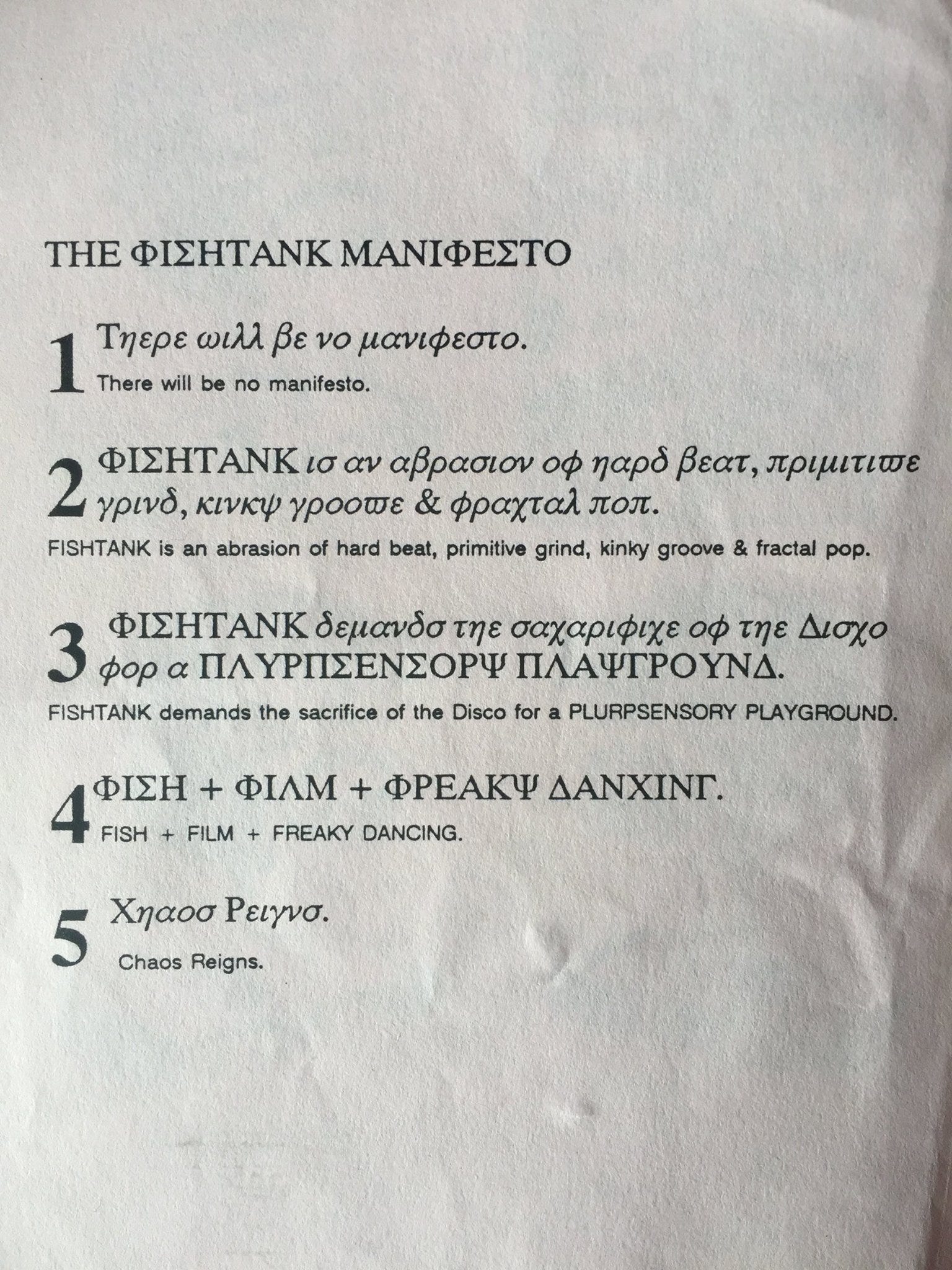
Around that time I started DJing, although that makes it sound way more intentional than it really was. It was more a case of wanting to play this music in a space where it could come alive. A few of got together to put on a night at a club called Timepiece. We called it The Fish Tank, and because we were all slightly prone to over-engineering things, our opening statement was to create a dadaist manifesto for it. Looking back, it was probably a bit earnest, but at the time it felt important. We were trying to define something that didn’t quite have a definition yet and the music we played reflected that. Acid house, Balearic, Indie Dance records that somehow made sense in that context - things that blurred the edges rather than reinforcing them. Even back then, it wasn’t about genre. It’s never been about genre!
Acid house wasn’t just another style of music that I passed through. It changed the way I related to music altogether. It moved that relationship from something external into something immersive, something you existed inside rather than observed from a distance.
Once that door opened, there was no real way back.