


Listen to this story (narrated by Simon Shackleton)
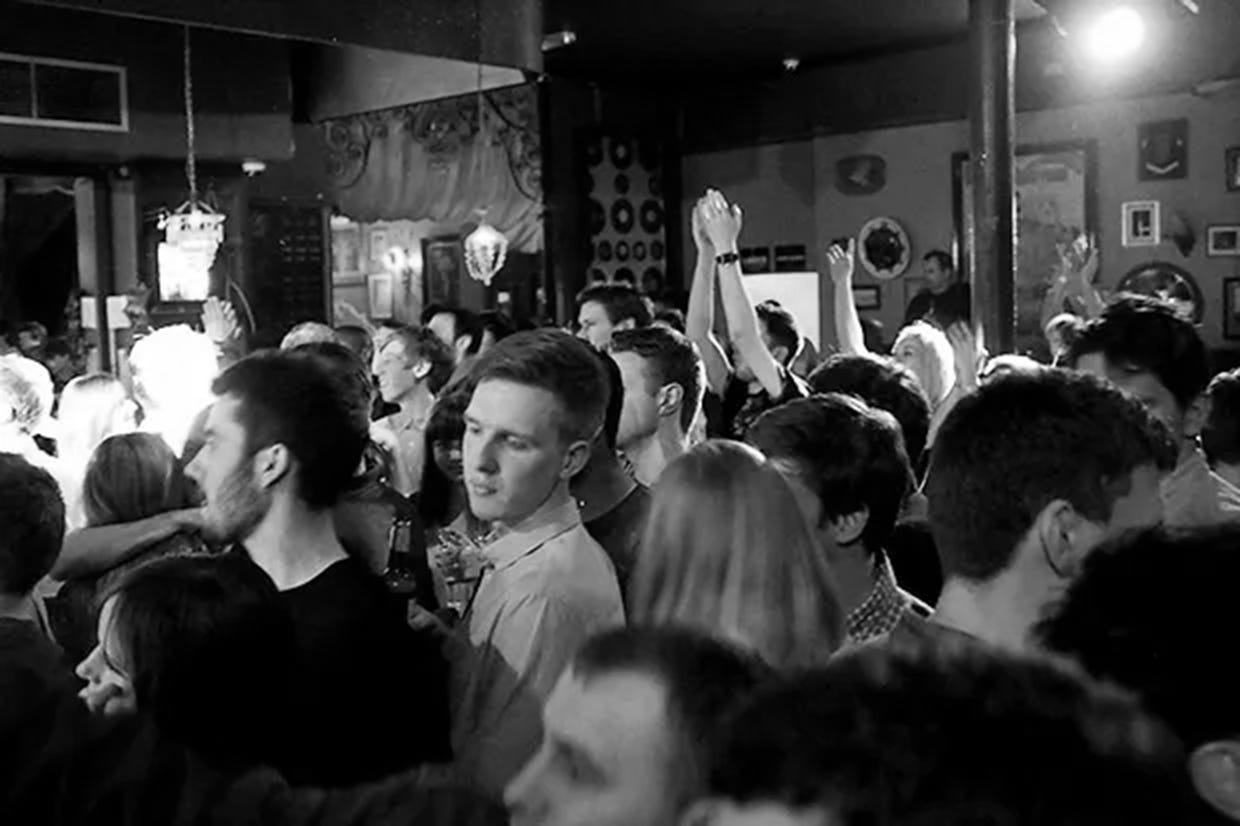
There was a period in the late nineties when my first label, Fused & Bruised, held a residency at The Dogstar in Brixton. I absolutely loved those nights.
Early on, the place felt more like a pub than a club - post-work South Londoners were chowing down on heroic plates of food, sat around huge wooden tables with an army of pints in front of them, chatting away earnestly while whoever happened to be on first gently nudged the music upwards. Then, almost imperceptibly, the room would begin to transform. The plates disappeared, more people arrived, the tables became platforms to dance on, and by midnight the whole place had descended into barely controlled chaos. I loved the morph of it all.
I used to live just up the road in Camberwell then, so those nights became part of the rhythm of life for me. I’d lug a record bag across South London, play for a few hours with my friends, then stumble into one of the highly questionable local minicabs at two or three in the morning and head home already buzzing about the next record I wanted to finish.
One particular night has stayed with me ever since.
I’d spent weeks working on a new track that I was planning to release on the label. It had reached that familiar point where I genuinely couldn’t tell whether I was making it better anymore or simply making it different. Every producer knows that feeling. You stop making decisions because they’re improvements and start making them because you’ve been listening to the same four minutes of music for so long that you feel a righteous obligation to aimlessly tweak some random musical element.
Eventually I made the decision every producer has to make - the tune was finished, or at least I was done with working on it.
Back then, deciding something was finished wasn’t just an emotional commitment, it was a financial one. I’d booked time at Abbey Road for mastering, paid to have a dubplate cut, and carried that fresh slab of metal with me to Brixton that night. There was something enormously satisfying about holding a record that had existed as nothing more than a collection of ideas a few weeks earlier.
As the night gathered momentum and the suits slipped away to be replaced by local ravers, I kept glancing down at the dubplate sitting in my record box. I knew exactly where I wanted to play it - I’d mentally prepared the perfect mix and was buzzing with excitement for that moment where the bassline would kick in, and the effect it’d have on the room. I wasn’t nervous about playing my own music - by then I’d already done that many times.
Then the moment of truth arrived. I reached into the record box. Wrapped my fingers around the sleeve. Took the pristine record out of its sleeve. I put it on the open deck and listen to ten seconds of it in my headphones.
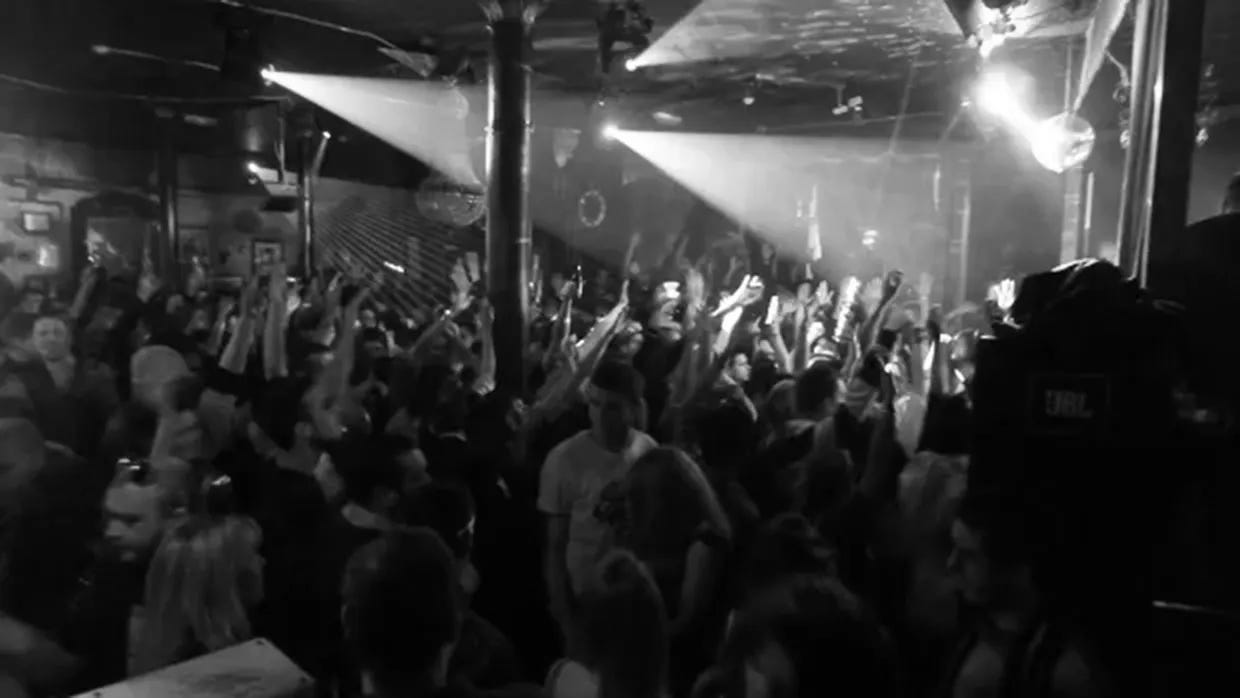
I then gingerly removed the needle from the record. Took it off the platter. And put it straight back in my record bag.
Somewhere between sitting behind a studio desk and standing behind a pair of turntables in a room full of writhing ravers, my ears had completely recalibrated.
Only a few days earlier I’d been thinking entirely in zeroes and ones. Every decision was microscopic… your entire world shrinks down until it consists of tiny production decisions that nobody else will ever consciously notice.
Was the kick drum right? Was the hi-hat just a fraction too bright? Should the bassline have arrived four bars earlier? Was that compressor helping or hurting? Those were the questions I’d been asking myself for weeks.
Standing in that DJ booth, none of those questions mattered anymore, because I was hearing the record in context. How would it sound alongside the tune I was currently playing? Did it have the right level of propulsion to hold the floor? Or would people gravitate to the bar to get a round in and take a break from their table-top gyrations?
Without even opening the fader, I knew that it wasn’t ready, that it wasn’t quite there. It wasn’t a simple loss of confidence, nor was it because the track was inherently bad - it wasn’t even a case of the context simply being wrong.
It somehow lacked the singularity and clarity of focus the other tracks I’d been playing had and it was the first time I’d really realised that producing and DJing weren’t simply two different skills. They were two completely different ways of listening. The track hadn’t changed. The listener had.
The producer constructs, but the DJ curates. One is obsessed with the individual bricks. The other only cares whether the building stands.
Looking back now, I think that tiny moment at The Dogstar when I realised the foundations of that musical building of mine were structurally unsound probably changed me more than I appreciated at the time. As I’ve built up a wealth of experience over my 30+ years of DJing, I’ve learned to summon that DJ mindset while I’m still in the studio. Every so often I’ll stop worrying about the individual sounds, push the chair back, walk away from the screen and ask myself a much simpler question.
“Would I actually play this?”
There comes a point where you have to stop being the person who made the work and become the first member of its audience.
Oddly enough, that probably made me a better producer than actually playing the record ever would have.
Some really good writing here! What tune was it?
Was regular at Dogstar in 2000s.
The record I connect with dogstar is Dubtribe Sound System – Equitoreal. I used to play both sides all the time but never heard anyone else play it until dogstar.... 2003? - went to see the dj and it was a mate I hadn't seen in 10 years!
Love this. As always, essential reading - and very VERY pertinent, irrespective of whether you're a Producer, a DJ, or on the Dancefloor!